Highlands, Iceland

The Icelandic Highlands cover the majority of the country and many of Iceland’s impressive natural attractions can be found here.

Central Highlands
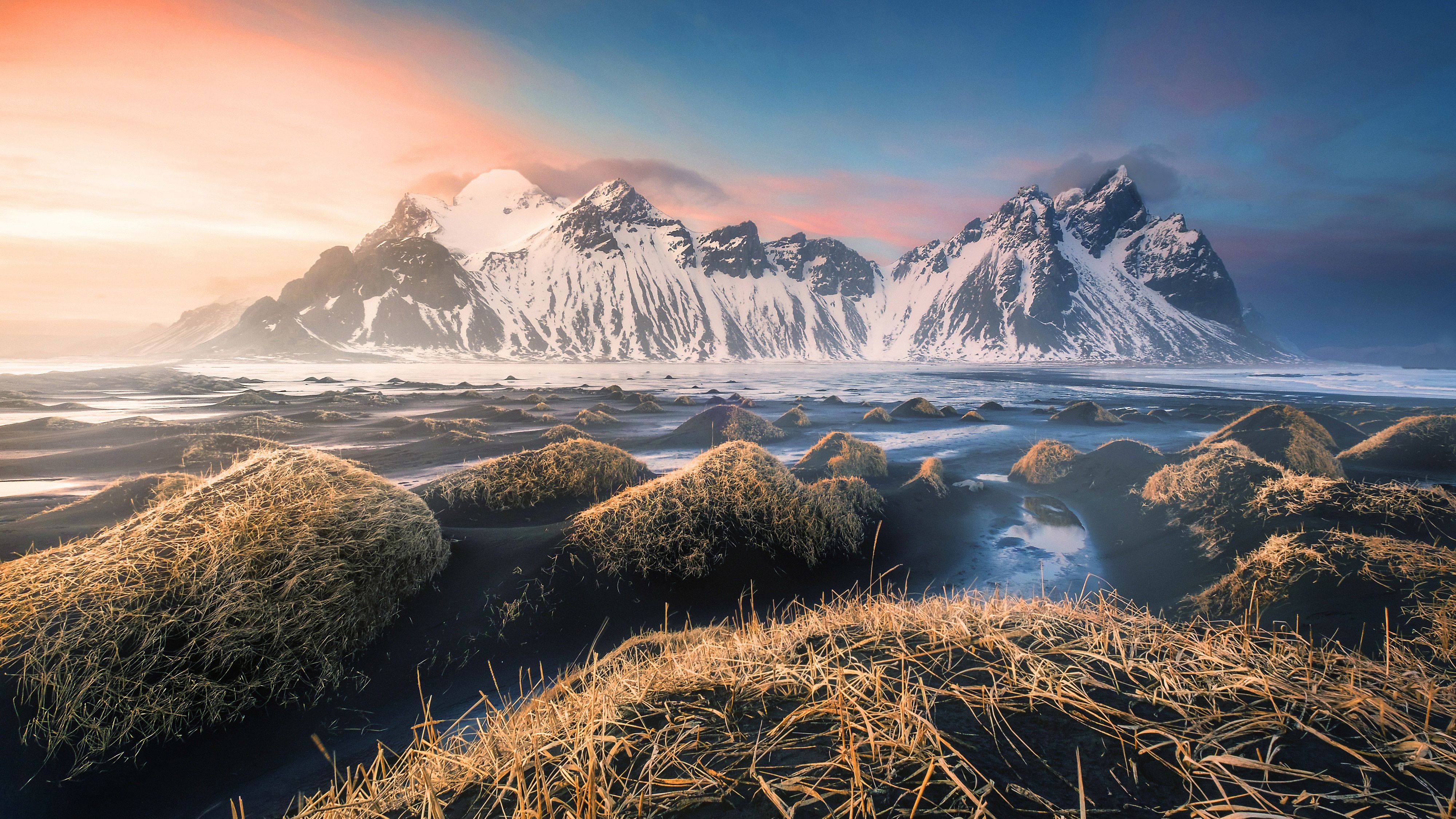
The Interior Central Highlands, known as ‘Hálendið’ to locals, sit 400–500 meters (1300–1600 feet) above sea level, their domineering mountain peaks piercing into the clouds, their colorful rhyolite hillsides inspiring all that see them. Steam rises from the region’s vast array of geothermal hot spots, and ancient rivers inter cut the landscape with decorative ease.

Hveravellir Nature Reserve 
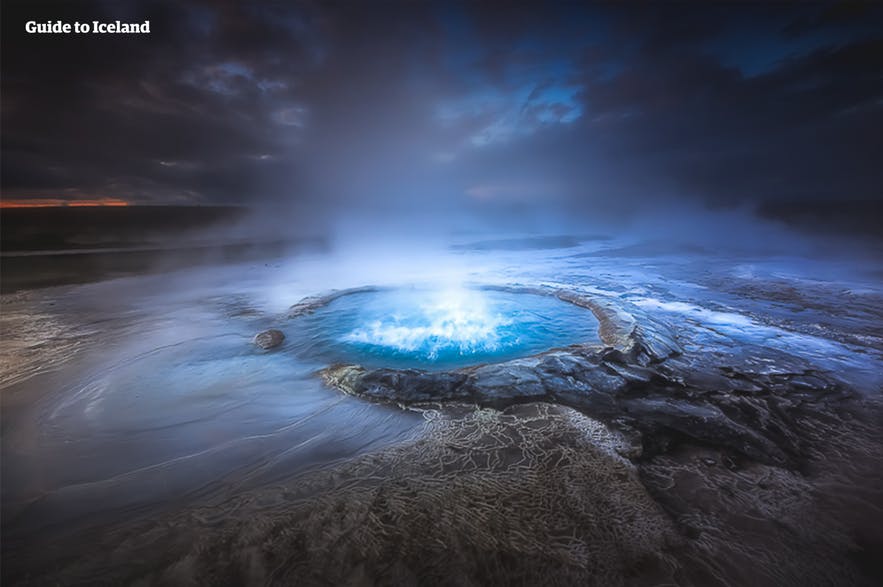
Considered to be one of the great wilderness reserves left on earth, Hveravellir offers stunning landscapes and fascinating examples of geothermal energy. Hveravellir translates to Hot Spring Fields, though is widely referred to as an “oasis” in the Highlands. 

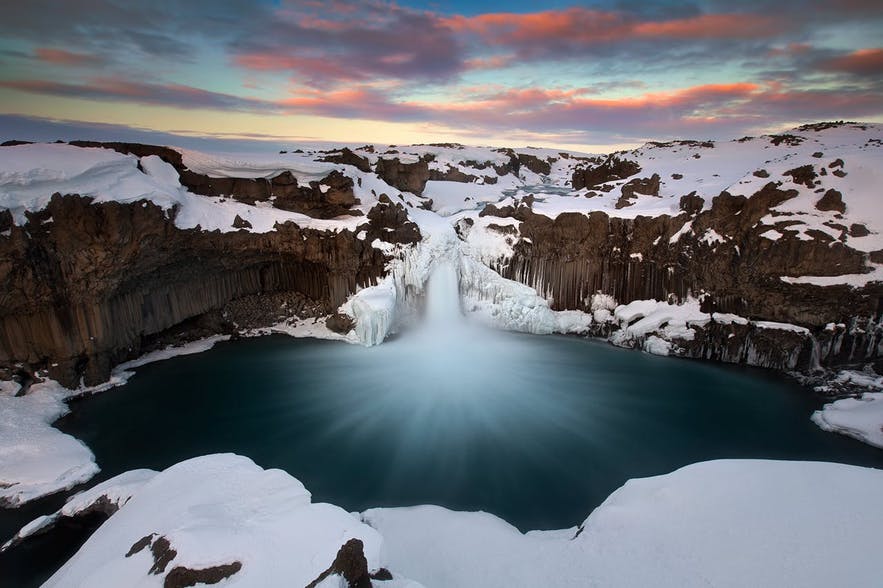
Aldeyjarfoss Waterfall  
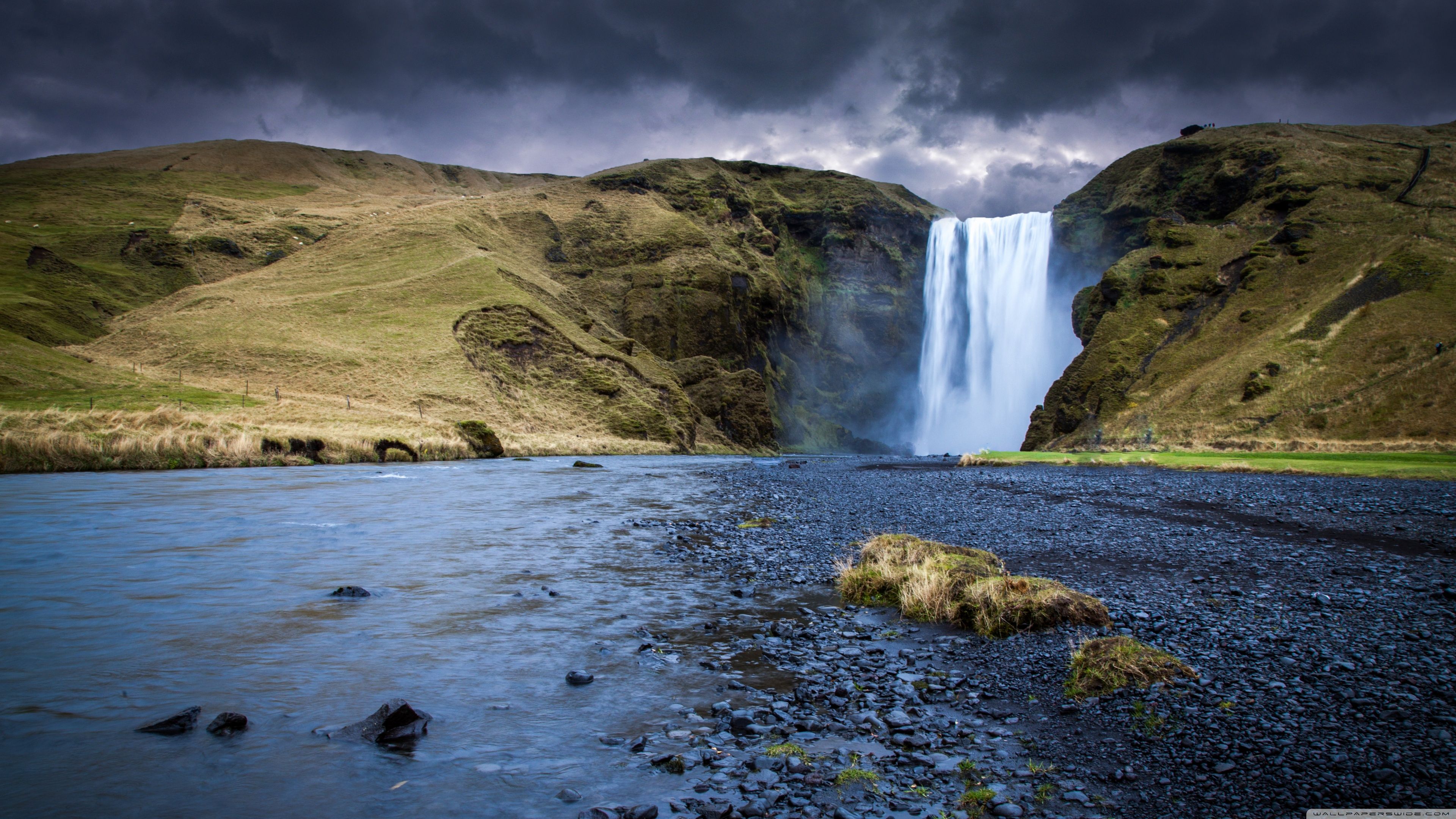
Dropping 20 meters from the Skjálfandafljót river, Aldeyjarfoss is one of the Highlands’ most beautiful waterfalls. It is particularly distinguished for the giant basalt columns that surround the cascading water, as well as the white shade of the water itself.
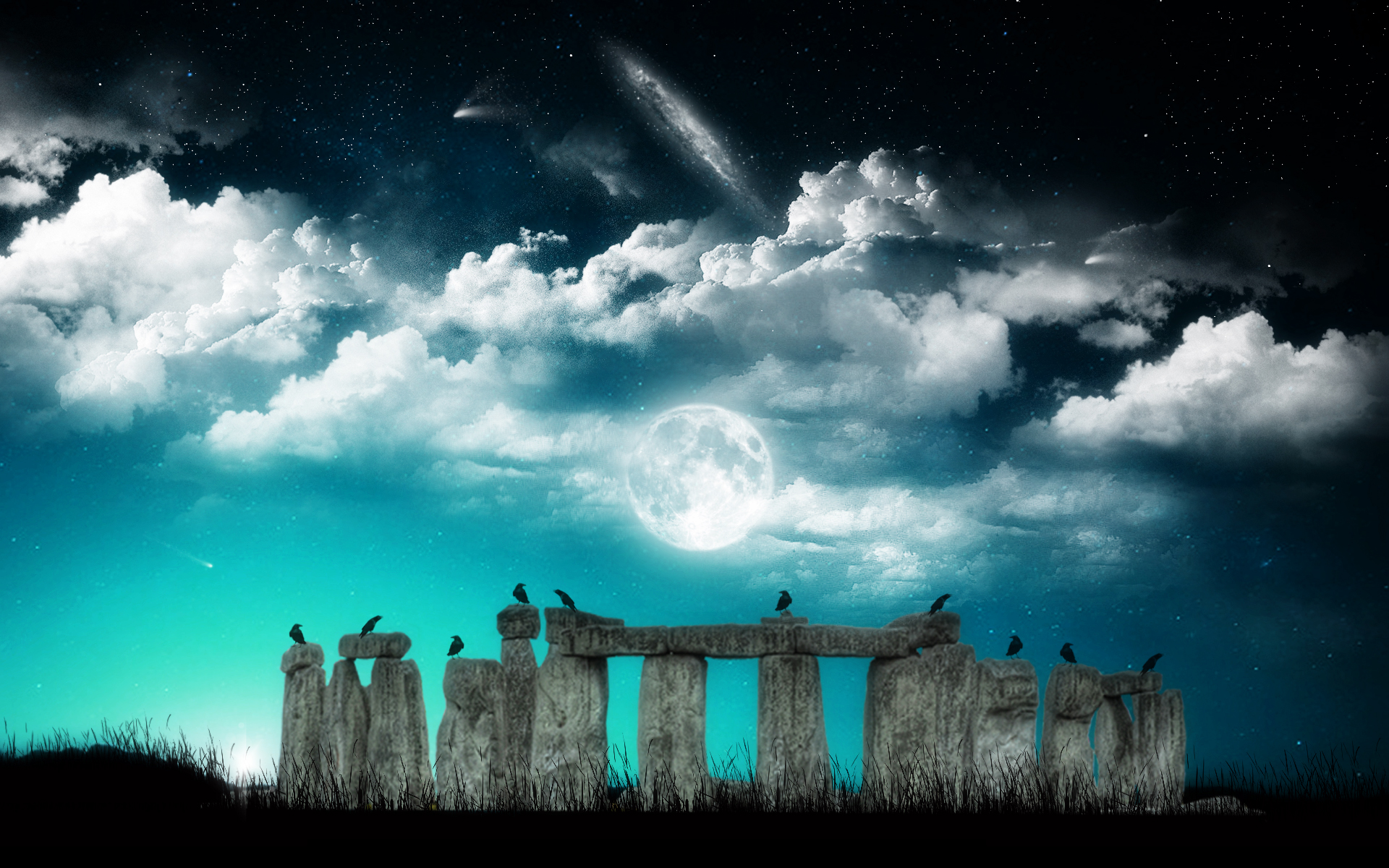
Stonehenge, England

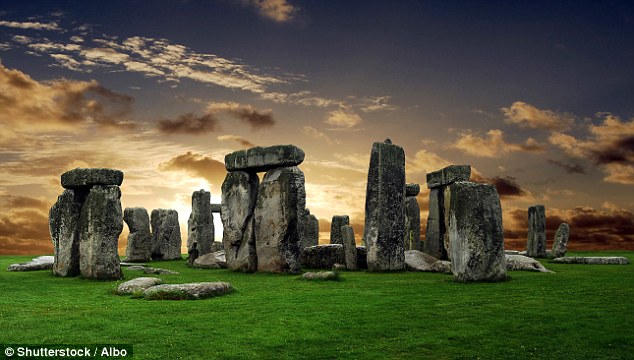
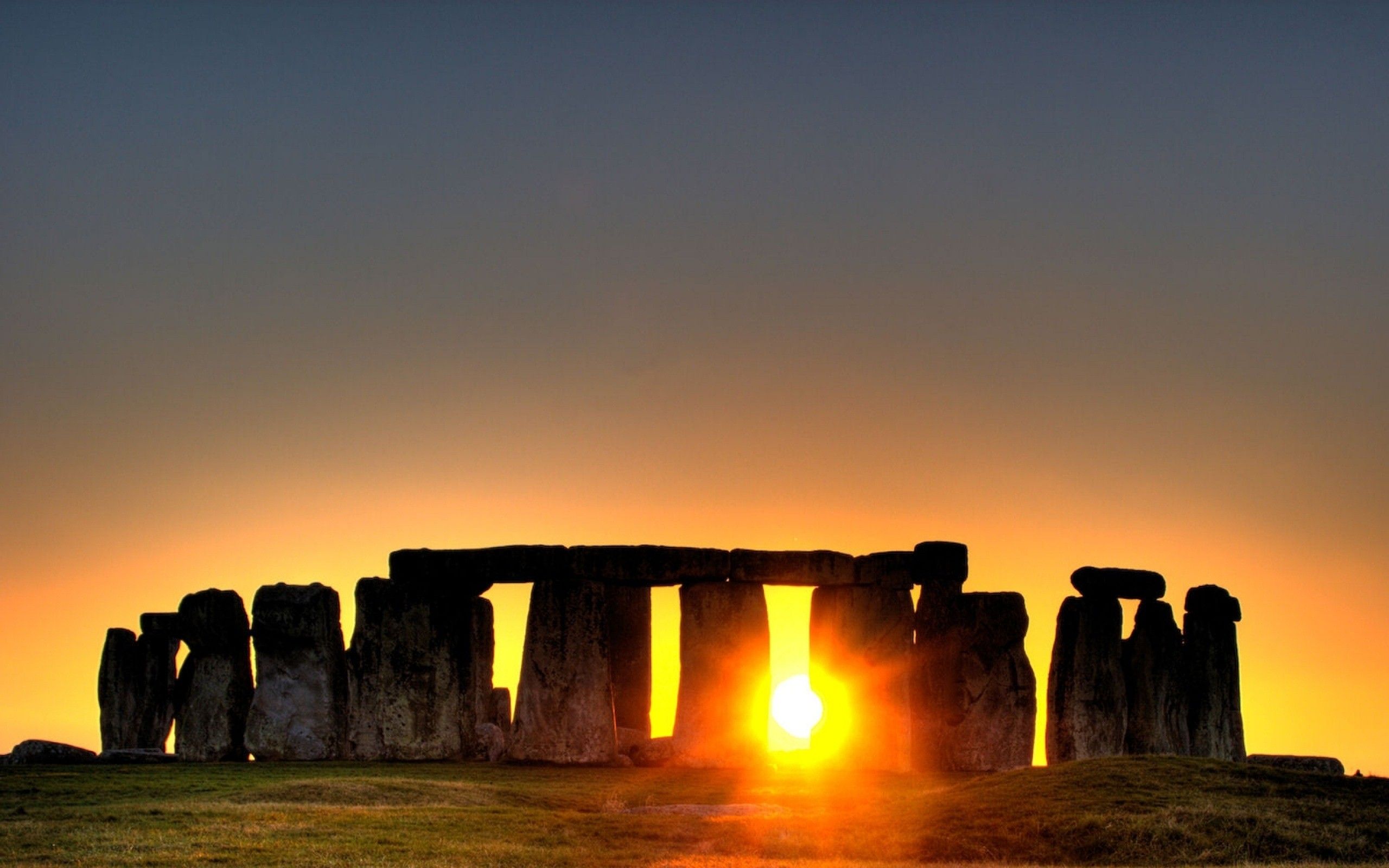
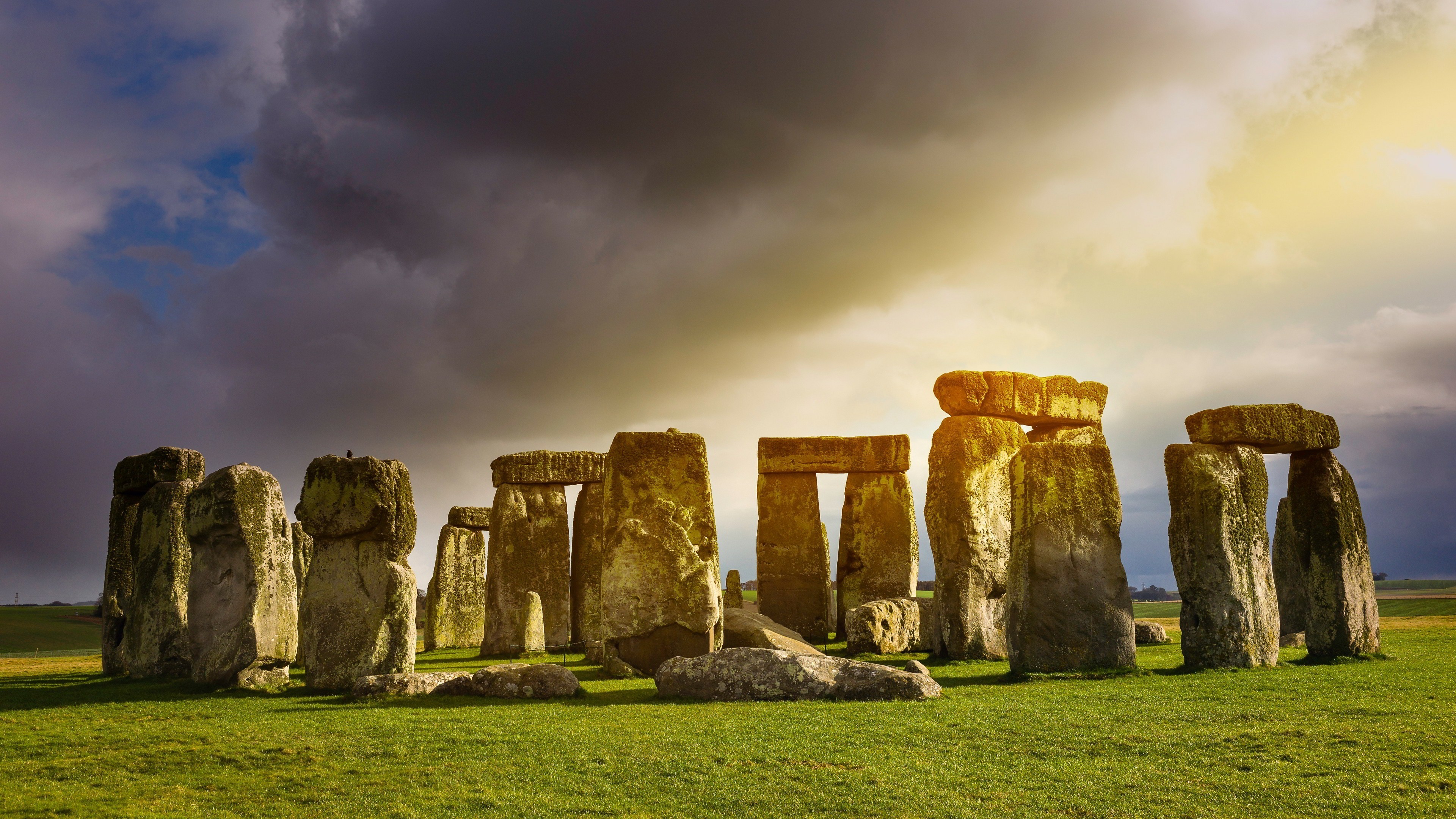
Stonehenge is a prehistoric monument in Wiltshire, England, two miles (3 km) west of Amesbury. It consists of a ring of standing stones, with each standing stone around 13 feet (4.0 m) high, seven feet (2.1 m) wide and weighing around 25 tons. The stones are set within earthworks in the middle of the most dense complex of Neolithic and Bronze age monuments in England, including several hundred burial mounds.

Archaeologists believe it was constructed from 3000 BC to 2000 BC. The surrounding circular earth bank and ditch, which constitute the earliest phase of the monument, have been dated to about 3100 BC. Radiocarbon dating suggests that the first blue stones were raised between 2400 and 2200 BC, although they may have been at the site as early as 3000 BC.

Stonehenge was produced by a culture that left no written records. Many aspects of Stonehenge, such as how it was built and which purposes it was used for, remain subject to debate. A number of myths surround the stones.  The site, specifically the great trilithon, the encompassing horseshoe arrangement of the five central trilithons, the heel stone, and the embanked avenue, are aligned to the sunset of the winter solstice and the opposing sunrise of the summer solstice. A natural landform at the monument’s location followed this line, and may have inspired its construction.  The excavated remains of culled animal bones suggest that people may have gathered at the site for the winter rather than the summer.  Further astronomical associations, and the precise astronomical significance of the site for its people, are a matter of speculation and debate.

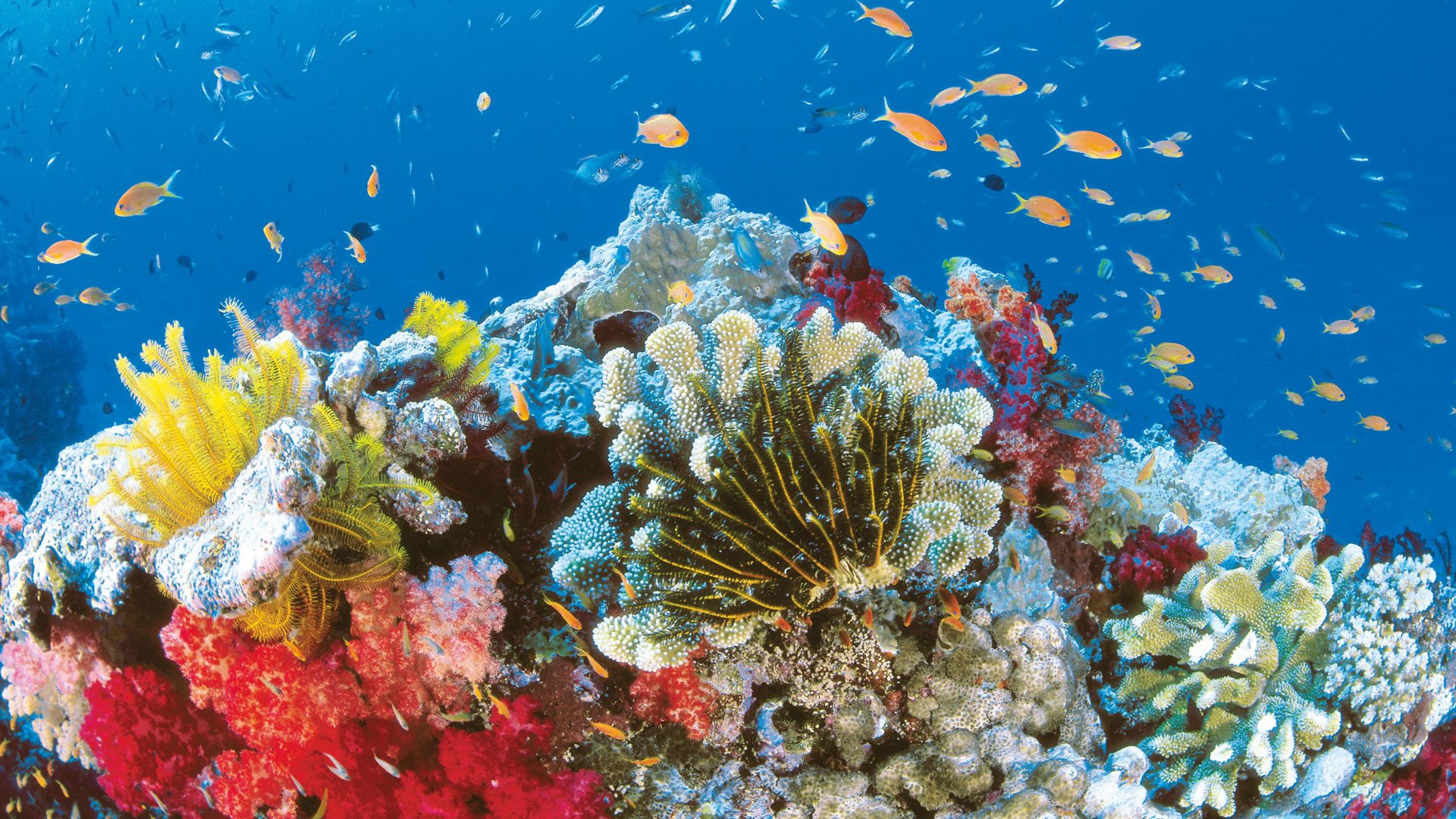
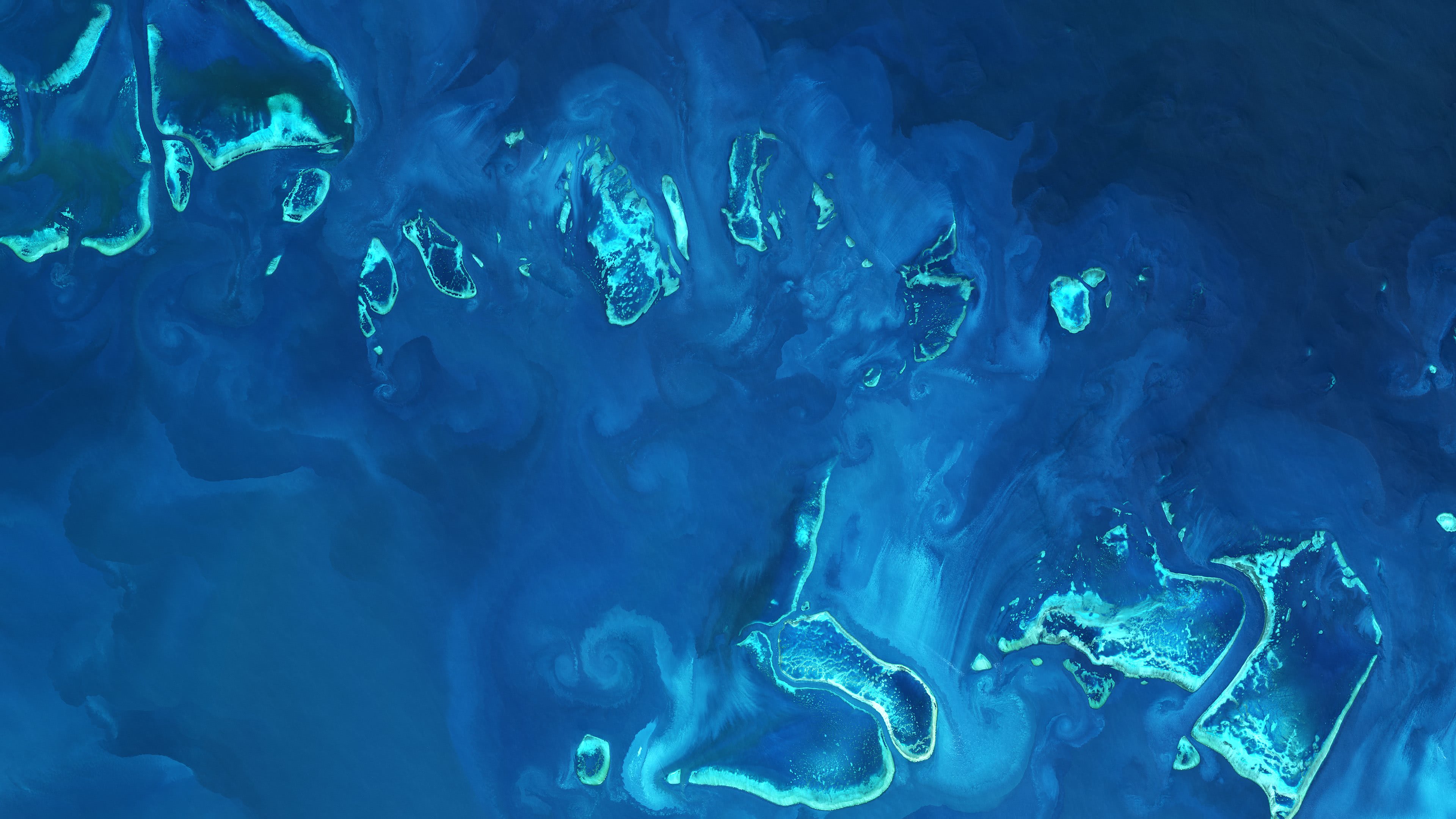
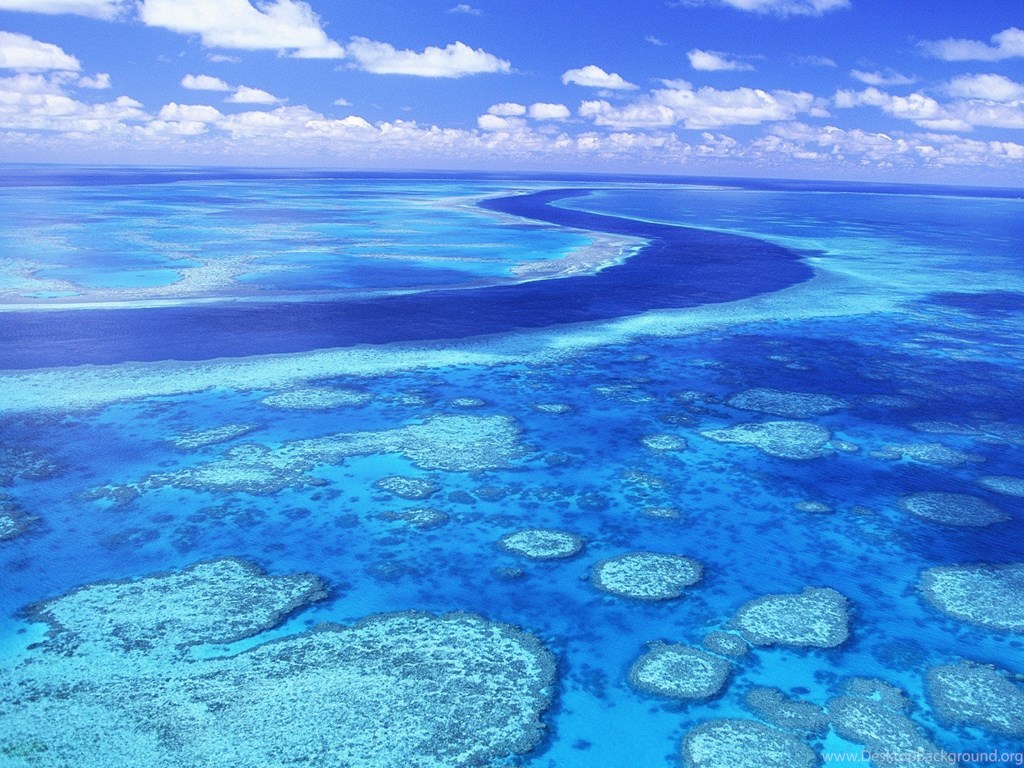
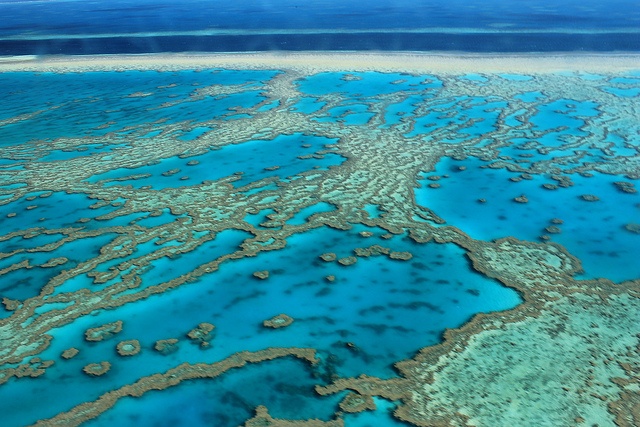
The Great Barrier Reef.

A Natural Wonder

One of Australia’s most remarkable natural gifts, the Great Barrier Reef is blessed with the breathtaking beauty of the world’s largest coral reef. The reef contains an abundance of marine life and comprises of over 3000 individual reef systems and coral cays and literally hundreds of picturesque tropical islands with some of the worlds most beautiful sun-soaked, golden beaches.Because of its natural beauty, the Great Barrier Reef has become one of the worlds most sought after tourist destinations.

A visitor to the Great Barrier Reef can enjoy many experiences including snorkeling, scuba diving, aircraft or helicopter tours, bare boats (self-sail), glass-bottomed boat viewing, semi-submersibles and educational trips, cruise ship tours, whale watching and swimming with dolphins.

The Great Barrier Reef is one of the seven wonders of the natural world, and pulling away from it, and viewing it from a greater distance, you can understand why.

It is larger than the Great Wall of China and the only living thing on earth visible from space.